How We Took Finlytic from 800 to 33K Monthly Sessions in 14 Months

Shivam
1 min read
When Finlytic approached us, organic contributed 4% of their signups and nobody on the team owned search. Fourteen months later it drives 61%. This is exactly how it happened.
Month 1–2: Rebuild the foundation
A crawl audit surfaced 12,000 thin tag pages cannibalising main content. We consolidated, redirected and shipped a clean architecture with proper internal linking — traffic dipped briefly, then recovered stronger.
Months 3–8: Own three topic clusters
Instead of chasing scattered keywords, we built deep clusters around reconciliation workflows, GST automation and CFO reporting. Twenty-eight expert-reviewed articles later, Finlytic owned the SERPs for its entire buying-intent space.
Months 9–14: Compound with authority
Digital PR campaigns built on original fintech data earned links from publications money can’t buy. Domain rating climbed from 31 to 54, and every new cluster article ranked faster than the last.
The compounding lesson
No single tactic produced this result. Technical hygiene made content possible; content made authority matter; authority made everything cheaper. That’s the RankPilot system in miniature.

Written by
Shivam
Search strategist at SeoDotZone writing about SEO, analytics and sustainable growth for Indian and global brands.
Keep reading
-
GEO vs SEO vs AEO: What’s the Difference and Which One Does Your Business Need?  SEO
SEOGEO vs SEO vs AEO: What’s the Difference and Which One Does Your Business Need?
If you’ve been keeping up with digital marketing chatter lately, you’ve probably noticed a new crop of acronyms crowding out the old…
-
Lead Generation: The Complete Guide to Attracting and Converting Quality Prospects 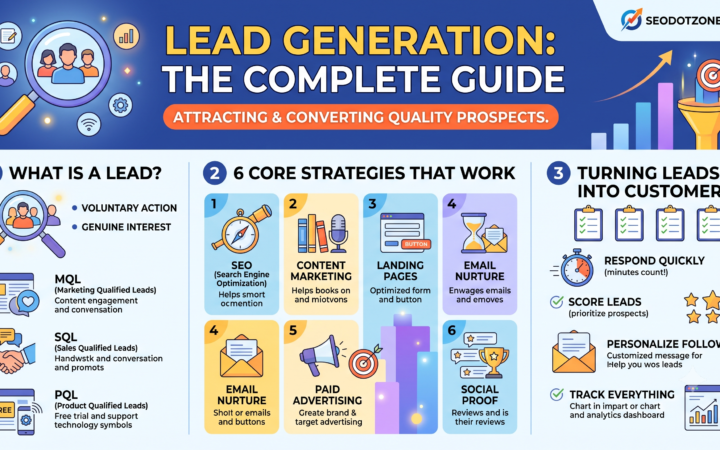 SEO
SEOLead Generation: The Complete Guide to Attracting and Converting Quality Prospects
Every business, no matter its size or industry, lives and dies by one core activity: generating leads. You can have the best…
-
Core Web Vitals in 2026: A Practical Playbook for WordPress 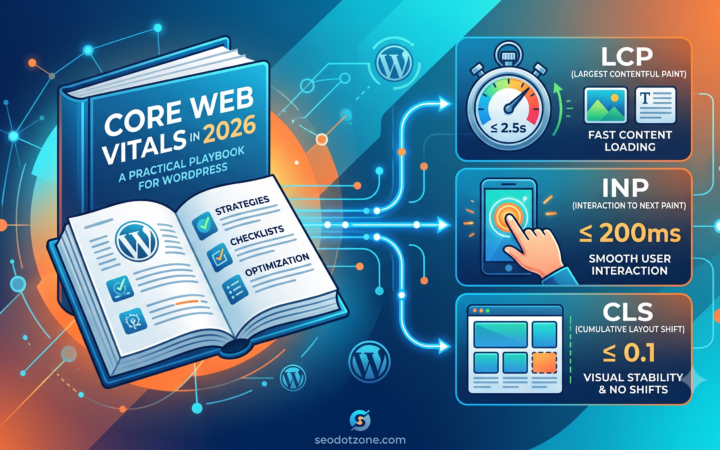 SEO
SEOCore Web Vitals in 2026: A Practical Playbook for WordPress
Website speed is no longer just a technical concern—it is an important part of user experience, SEO, conversions, and overall website quality.…