What Is GEO (Generative Engine Optimization)? A Complete Guide for 2026

Shivam
4 min read

Search is changing rapidly. People are no longer relying only on traditional search engines to find information. Instead, users are increasingly asking AI-powered platforms such as ChatGPT, Google AI Overviews, Microsoft Copilot, Perplexity, and other generative search tools for direct answers. This shift has created a new approach to digital marketing called GEO (Generative Engine Optimization).
But what exactly is GEO, and why does it matter in 2026?
What Is Generative Engine Optimization (GEO)?
Generative Engine Optimization (GEO) is the process of optimizing online content so that it has a better chance of being discovered, understood, referenced, and recommended by AI-powered search and generative engines.
Traditional SEO primarily focuses on improving a website’s visibility in search engine results pages (SERPs). GEO goes a step further by helping content become a useful and trustworthy source for AI-generated answers.
For example, instead of searching “best digital marketing strategies,” a user might ask an AI engine, “What are the best digital marketing strategies for a small business in 2026?” GEO aims to make your content valuable enough to potentially be included or referenced when the AI generates its response.
Why Is GEO Important in 2026?
AI-powered search is becoming an important part of how users discover information, products, and services. This means businesses need to optimize not only for traditional rankings but also for AI-driven discovery.
A strong GEO strategy can help businesses:
- Increase visibility across AI-powered search experiences
- Build brand awareness and authority
- Improve the chances of being referenced in AI-generated answers
- Reach users earlier in the buying journey
- Complement traditional SEO and content marketing efforts
GEO does not mean abandoning SEO. Instead, SEO and GEO work together to create a broader search visibility strategy.
How Does GEO Work?
Generative engines analyze information from multiple sources to understand a user’s query and produce a response. To improve your content’s chances of being recognized, focus on clarity, relevance, authority, and usefulness.
Here are some important GEO practices:
- Create Helpful, Original Content
Content should directly answer the questions your target audience is asking. Avoid unnecessary filler and focus on providing practical information, examples, statistics, and explanations.
- Structure Content Clearly
Use descriptive headings, short paragraphs, bullet points, tables, FAQs, and straightforward language. Well-structured content is easier for both users and search systems to understand.
- Demonstrate Expertise and Trust
AI systems need reliable information. Strengthen your content with credible sources, author expertise, original research, relevant examples, and accurate information.
- Answer Conversational Queries
People often ask AI tools complete questions rather than short keywords. Create content around natural-language questions such as “How does GEO improve online visibility?” or “What is the difference between SEO and GEO?”
- Strengthen Your Online Presence
Your website is only one part of your digital footprint. Consistent information across reputable websites, publications, business profiles, reviews, and other authoritative platforms can help establish brand credibility.
GEO vs. Traditional SEO
SEO focuses heavily on ranking webpages for relevant searches, while GEO focuses on improving the likelihood that content or brand information is understood and used within AI-generated responses.
However, there is significant overlap. Both strategies benefit from high-quality content, strong topical relevance, technical accessibility, authority, and a good user experience.
The most effective approach in 2026 is therefore not SEO versus GEO, but SEO + GEO.
How to Start a GEO Strategy
Start by identifying the questions your customers ask before, during, and after making a purchase. Create authoritative content that answers those questions clearly. Organize related topics into content clusters, strengthen internal linking, maintain accurate business information, and build credible mentions across the web.
Most importantly, focus on creating content for people first, rather than trying to manipulate AI systems.
Final Thoughts
Generative Engine Optimization is becoming an important part of modern search visibility. As users increasingly turn to AI-powered platforms for answers and recommendations, businesses need to think beyond traditional blue-link rankings.
In 2026, a strong digital marketing strategy should combine SEO, GEO, AEO, high-quality content, authority building, and a strong online presence. Businesses that consistently provide accurate, useful, and trustworthy information will be better positioned to compete in the evolving AI-driven search landscape.
Frequently asked questions
Why is GEO important?
How does Generative Engine Optimization (GEO) work?
How can I optimize my website for GEO?
Still have questions? Talk to a strategist →

Written by
Shivam
Search strategist at SeoDotZone writing about SEO, analytics and sustainable growth for Indian and global brands.
Keep reading
-
GEO vs SEO vs AEO: What’s the Difference and Which One Does Your Business Need? 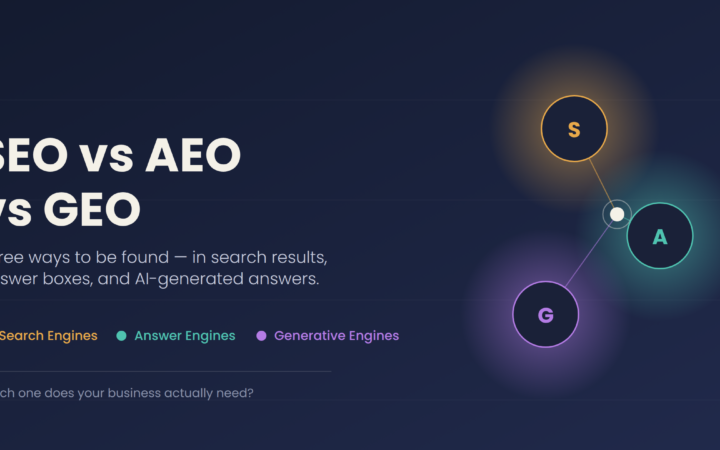 SEO
SEOGEO vs SEO vs AEO: What’s the Difference and Which One Does Your Business Need?
If you’ve been keeping up with digital marketing chatter lately, you’ve probably noticed a new crop of acronyms crowding out the old…
-
Lead Generation: The Complete Guide to Attracting and Converting Quality Prospects 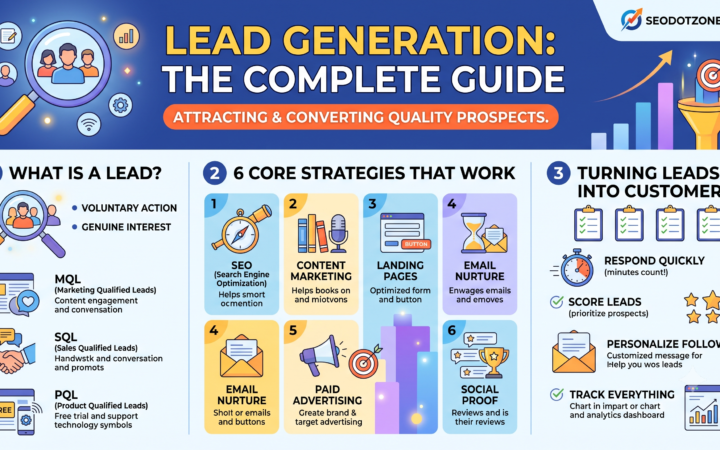 SEO
SEOLead Generation: The Complete Guide to Attracting and Converting Quality Prospects
Every business, no matter its size or industry, lives and dies by one core activity: generating leads. You can have the best…
-
Core Web Vitals in 2026: A Practical Playbook for WordPress 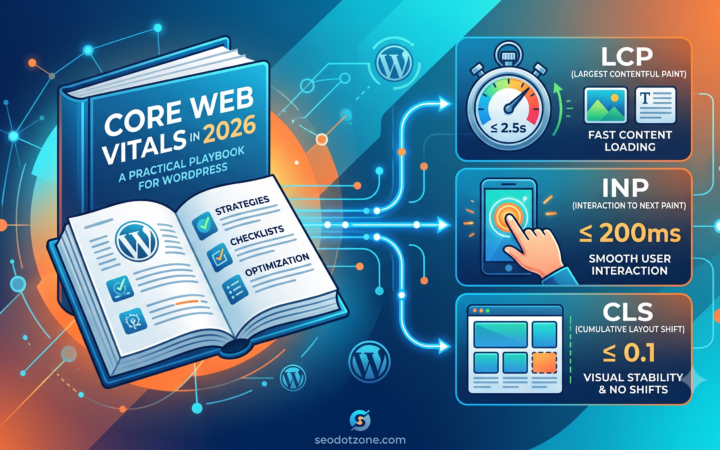 SEO
SEOCore Web Vitals in 2026: A Practical Playbook for WordPress
Website speed is no longer just a technical concern—it is an important part of user experience, SEO, conversions, and overall website quality.…